
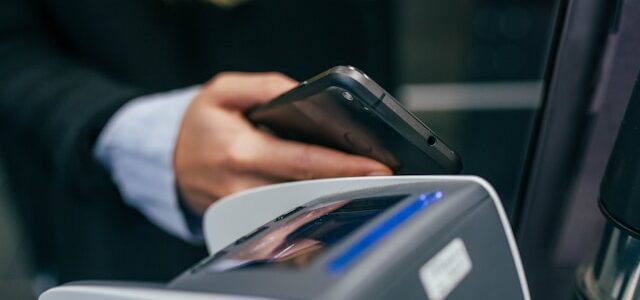
One of the most significant trends in recent years is the rapid expansion of Buy Now, Pay Later (BNPL) services, a model that allows consumers to split purchases into installments, often without interest.
While convenient and appealing to shoppers, BNPL is also redefining how credit, spending habits, and financial responsibility are managed. Michael Brescia has observed firsthand how digital financial tools are reshaping consumer behavior, particularly in the way people approach purchasing power.
Understanding Buy Now, Pay Later
Buy Now, Pay Later services provide an alternative to traditional credit cards or personal loans. Instead of paying the full amount upfront, consumers can divide their purchase into two, four, or more installments over a set period, typically ranging from a few weeks to several months. Popular providers such as Klarna, Afterpay, Affirm, and PayPal’s “Pay in 4” have partnered with thousands of merchants worldwide, making BNPL widely accessible both online and in physical retail stores.
What differentiates BNPL from traditional credit is the frictionless user experience. Approval is often instant, credit checks are minimal, and the service integrates seamlessly into checkout processes. For retailers, BNPL can increase conversion rates, average order values, and repeat purchases. For consumers, it offers short-term liquidity and the psychological benefit of manageable payments without incurring traditional credit card interest, at least when payments are made on time.
Consumer Appeal and Adoption
Several factors have contributed to BNPL’s explosive growth. Younger generations, particularly millennials and Gen Z, are increasingly wary of credit card debt and high-interest loans. BNPL offers a way to access products immediately without long-term financial obligations, aligning with the desire for convenience and flexibility.
Social media and influencer marketing have also played a role in driving adoption. Many e-commerce platforms prominently display BNPL options during checkout, framing them as a modern, savvy way to shop. Retailers benefit by appealing to a demographic that prioritizes experiences and instant gratification while seeking to avoid traditional debt structures.
Financial Impact on Consumers
Despite its appeal, BNPL carries significant financial implications for consumers. While many use the service responsibly, some fall into patterns of overextension. Because approvals are easy and limits are typically high, consumers may underestimate their total monthly obligations. Late payments, fees, and stacking multiple BNPL plans across different providers can quickly lead to financial strain.
Financial experts warn that the perception of BNPL as “interest-free” can mask the risk of default. Unlike credit cards, BNPL obligations may not always appear on credit reports initially, giving users a false sense of flexibility. However, repeated missed payments can damage credit scores, incur fees, and lead to collections activity, creating longer-term financial repercussions.
Retailers’ Perspective
For merchants, BNPL is a tool to drive sales growth. Studies show that customers using BNPL often spend more per transaction than those paying upfront. Additionally, retailers can reach consumers who may otherwise delay purchases due to cost concerns. However, BNPL is not without its challenges. Merchants typically pay transaction fees to providers, which can be higher than standard credit card processing fees. These costs may affect profit margins, especially for small businesses.
Moreover, BNPL can create operational complexity. Managing returns, refunds, and installment cancellations requires careful coordination with the service provider. Despite these challenges, the increased conversion rates and customer loyalty often outweigh the costs, making BNPL a strategic investment for many e-commerce and retail businesses.
Regulatory and Industry Considerations
As BNPL grows, regulators have taken notice. Agencies like the Consumer Financial Protection Bureau (CFPB) in the U.S. and the Financial Conduct Authority (FCA) in the U.K. are evaluating whether BNPL providers should be subject to the same disclosure and consumer protection rules as traditional credit. Issues under review include late fees, interest, marketing practices, and the transparency of repayment terms.
Industry experts advocate for responsible lending practices and clear consumer education. Providers that offer budgeting tools, reminders, and limits based on ability to pay can mitigate risk while promoting sustainable growth. The fintech industry has a responsibility to balance innovation with consumer protection, ensuring that BNPL enhances financial flexibility without contributing to debt accumulation.
The Future
BNPL is likely to continue evolving in the coming years. Integration with digital wallets, mobile banking apps, and point-of-sale financing tools may make it even more seamless. Data analytics and machine learning could allow providers to better assess creditworthiness and tailor repayment plans, reducing default risk for both consumers and merchants.
Additionally, BNPL could expand beyond retail into sectors such as healthcare, travel, and education, offering installment-based options for high-cost services. As fintech companies explore partnerships with traditional banks and payment networks, BNPL may become a core component of mainstream financial services rather than a niche solution.
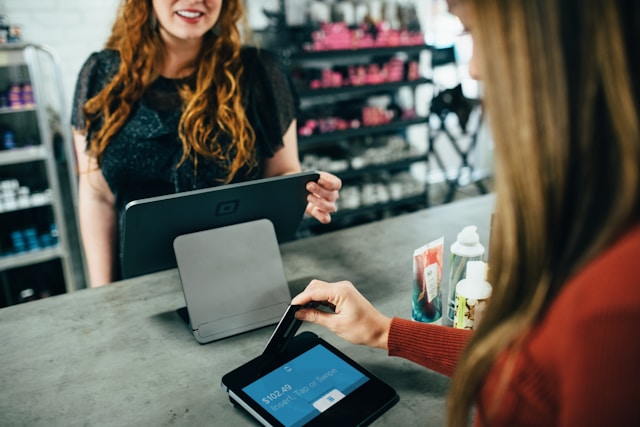
Best Practices for Consumers
Consumers interested in using BNPL should follow key best practices to protect their financial health:
Budget Carefully: Treat installment payments as fixed expenses, ensuring they fit within monthly income.
Track All Plans: Keep records of multiple BNPL agreements to avoid stacking and missed payments.
Read Terms: Understand fees, late payment penalties, and the provider’s policies on refunds and returns.
Limit Use for Essentials: Use BNPL for purchases that are planned and within means, rather than impulsive buys.
By approaching BNPL responsibly, consumers can benefit from flexibility without jeopardizing credit or financial stability.
Transforming Consumer Spending and Financial Flexibility
Buy Now, Pay Later services represent a transformative shift in how consumers access credit, shop, and manage cash flow. While the convenience and accessibility of BNPL are undeniable, both consumers and merchants must be aware of the financial and operational implications. With thoughtful use, transparent practices, and responsible regulatory oversight, BNPL can enhance financial flexibility and empower spending without long-term debt.
BNPL is a prime example of how technology can democratize financial tools while challenging traditional approaches to credit and payments. As the sector evolves, balancing innovation, convenience, and financial responsibility will be critical to ensuring BNPL benefits both consumers and the broader economy.